
White Marks, Streaks and Stains on Clothes After Washing: Causes and Fixes

You take a load out of the washing machine and find white marks, chalky streaks or dark stains on clothes that went in clean. It is a common problem, and in many cases it comes from how the machine is being used rather than from a serious fault. This guide covers the usual causes, what you can try at home, and when it is time to have the machine inspected.

Why Do My Clothes Have White Marks After Washing?

White marks and streaks are usually residue that did not rinse out. The most common sources are:

  • Too much detergent. Extra powder or liquid does not fully dissolve or rinse away, and it dries as white patches, especially on dark clothes.
  • Powder that did not dissolve. Detergent powder can clump in cold water or when it is added on top of a tightly packed load. Dissolving it in a little water first, or adding it to the detergent drawer, helps.
  • Overloading. A drum packed with clothes does not let water and detergent move through the load, so residue stays on the fabric.
  • Hard water. Where the water is hard, mineral deposits can show up as a chalky film on clothes and inside the machine.
  • Fabric softener residue. Softener poured directly onto clothes, or used in large amounts, can leave waxy white streaks.
  • Lint. Towels, blankets and other shedding fabrics washed with dark clothes can leave white fluff that looks like marks.

Why Is My Washer Leaving Stains on My Clothes?

If the marks are dark, greasy, brown or black rather than white, the cause is more likely inside the machine:

  • Dirty drum or gasket. Detergent build-up, mould and dirt collect in the drum, the rubber seal of a front-load machine and the detergent drawer, and can transfer onto clothes.
  • Rust. Orange or brown marks can come from a damaged or rusting drum, or from rust in the water supply.
  • Oil or grease spots. Dark oily marks that keep returning may point to a worn seal or bearing leaking lubricant. This needs a technician.
  • Poor drainage. A blocked drain hose, pump or filter leaves dirty water in the drum, so soap scum and dirt settle back on clothes.

How to Fix White Streaks and Stains at Home

  1. Use less detergent. Follow the amount on the pack for your load size and water hardness. More is not cleaner.
  2. Do not overload the drum. Clothes should move freely, and there should be a little space above the load.
  3. Add detergent and softener to the correct compartments. Do not pour softener directly onto clothes.
  4. Run an extra rinse if clothes still feel stiff or look streaky.
  5. Separate lint-shedding fabrics such as towels and blankets from dark clothes.
  6. Clean the machine. Wipe the detergent drawer, the rubber seal and the door, clean the drain filter if your model has one, and run an empty hot cycle with a washing machine cleaner made for your type of machine.
  7. Rewash the affected clothes before drying them. Heat from a dryer or the sun can set the marks.

Safety note: never mix bleach with vinegar or other cleaning products, as this can release harmful fumes. Use one product at a time and follow the label.

When to Call a Washing Machine Technician

If you have corrected how you wash and cleaned the machine but the marks keep coming back, the machine may have a fault. Have it checked if you notice:

  • Dark, oily spots on clothes that repeat wash after wash
  • Water that drains slowly or stays in the drum
  • Rust-coloured water, rust marks or a damaged drum surface
  • A strong, persistent smell even after cleaning
  • Leaks, loud noise or the machine stopping mid-cycle

Adit Kitchen & Appliance Repair Sewa offers washing machine repair in Bhaktapur and nearby areas. Call or WhatsApp 9849894503 with your machine’s brand, model and a short description of the problem, or send a repair enquiry.

Frequently Asked Questions

Are white marks on clothes after washing harmful?

They are usually detergent or mineral residue and not dangerous, but they can irritate sensitive skin. Rewashing with an extra rinse normally removes them.

Can a faulty washing machine cause stains?

Yes. A dirty drum, a rusting drum, poor drainage or a leaking seal can all mark clothes. If cleaning and correct use do not stop it, get the machine inspected.

How often should I clean my washing machine?

Wipe the drawer and seal regularly, and run a cleaning cycle every month or two, or sooner if you notice smells or residue.
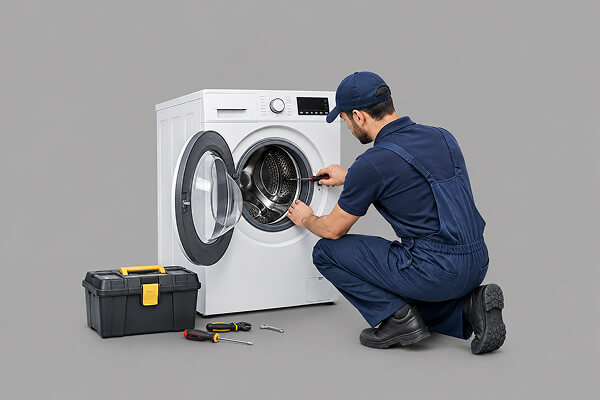
Winter Appliance Safety Checklist for Bhaktapur Homes

Cold mornings in Bhaktapur often mean heavier use of gas geysers, electric water heaters, rice cookers and other kitchen appliances. A little care before the winter rush can help households spot problems early and avoid unsafe operation. This practical checklist is prepared by Adit Kitchen & Appliance Repair Sewa in Golmadhi, Bhaktapur.

1. Check your gas geyser before daily use increases

Watch for an unusual flame, repeated failure to ignite, soot marks, unusual noise, water leaks or a smell of gas. Keep the room properly ventilated and never block an air vent. If you smell gas, turn off the supply if it is safe to do so, avoid operating electrical switches or creating a flame, leave the area and contact the gas supplier or an appropriately qualified professional. Do not open or adjust the gas valve, burner or safety components yourself.

2. Keep rice cookers and electric hot pots clean and dry

Before use, check that the power cord and plug are not cracked, loose, burnt or unusually hot. Keep the outside and electrical base dry. Clean food residue from the inner pot and heating surface only as directed by the manufacturer. Do not immerse the electrical base in water, and stop using the appliance if it sparks, gives off a burning smell or trips the circuit repeatedly.

3. Give air fryers enough space

Place an air fryer on a stable, heat-resistant surface with clear space around its air outlets. Remove grease and food crumbs after the unit has cooled. A damaged cable, a fan that makes a grinding noise, smoke during normal operation or controls that behave unpredictably are reasons to stop using it and arrange an inspection. Never cover the ventilation openings.

4. Do not ignore changes in washing machine performance

Check the inlet hose, drain hose and tap for leaks. Keep the machine level and avoid overloading it with winter blankets or heavy clothes. If it repeatedly stops, fails to drain, makes a new banging noise or shows an error code, note the code and when it appears. This information helps a technician diagnose the fault more efficiently. See our washing machine repair service in Bhaktapur.

5. Keep your refrigerator ventilated

Leave the clearance recommended by the manufacturer around the refrigerator, clean accessible dust from the exterior ventilation area and check that the door gasket seals properly. Avoid pushing the temperature setting to its coldest level to compensate for a cooling problem. If the fridge is not cooling, makes an unusual repeated clicking sound or develops water leakage, arrange a diagnosis. Learn more about fridge repair in Bhaktapur.

6. Use safe habits with induction cooktops and microwaves

Use cookware suitable for induction and keep the cooktop surface dry. For microwaves, use only microwave-safe containers and never operate the oven empty. Do not attempt to repair internal high-voltage components yourself; a microwave can retain a dangerous electrical charge even after it has been unplugged. Stop using an appliance with a damaged door, cracked glass, burning smell or visible sparking.

When should a Bhaktapur household call a repair technician?

Arrange an inspection when an appliance repeatedly trips the circuit, overheats, leaks, produces smoke, gives an electrical burning smell, fails to complete its normal cycle or shows the same error after the basic checks recommended in its manual. For gas smell or suspected gas leakage, follow the emergency safety steps above rather than continuing to use the geyser.

Local appliance repair support in Bhaktapur

Adit Kitchen & Appliance Repair Sewa is based at Golmadhi Ganesmandir, Bhaktapur. We handle enquiries for washing machines, refrigerators, microwave ovens, induction cooktops, gas stoves, gas geysers, air fryers and digital rice cookers or electric hot pots. To discuss a fault or arrange an assessment, call 9849894503 or visit aditrepairssewa.com.

Safety note: This checklist is general household guidance, not a substitute for the appliance manufacturer’s instructions or a qualified inspection. Do not dismantle gas appliances, microwave ovens or other equipment containing hazardous electrical components.

Samsung Washer Repair Technician in Bhaktapur | Adit Repairs Sewa

Samsung Washer Repair Technician in Bhaktapur

A washing machine does not always fail completely when something goes wrong. It might fill with water but struggle to agitate, make repeated attempts to spin, vibrate more than usual, or stop with a warning on the display. Recognising these patterns can help narrow down the problem before a repair is attempted.

Adit Repairs Sewa helps customers in Bhaktapur arrange assessment of Samsung washing machine faults. The aim is to identify what is preventing normal operation and explain the available repair options, rather than recommending parts without adequate evidence.

What Your Samsung Washing Machine May Be Telling You

The washer repeatedly attempts to spin

Repeated spin attempts may occur when the load is uneven or the machine cannot complete a required drainage or balance check. If redistributing the clothes does not help, further inspection may be needed.

The machine struggles to take in water

A closed tap, low water pressure, a restricted inlet filter, or a problem with the inlet valve can affect filling. Checking the water supply is a sensible first step before considering an internal repair.

The washer shakes or produces unusual noise

A machine that moves excessively during operation may be unevenly installed or loaded incorrectly. Persistent vibration or grinding sounds can also indicate a mechanical issue that needs investigation.

The display shows a warning

Samsung models use different diagnostic codes and display messages. Record the exact code and check the manual for your model. The code can guide the next checks but does not always identify a single failed part.

The machine stops responding to its controls

An interruption in power, a control-panel issue, a wiring fault, or an electronic component problem may affect operation. Electrical diagnosis should be carried out safely by someone qualified to work on the appliance.

A Different Repair Approach for Different Samsung Models

Samsung washers vary by capacity, loading style, drive arrangement, and electronic features. A fault on one model should not automatically be diagnosed in the same way as a similar symptom on another.

Where appropriate, inspection may cover the water inlet, drainage path, drive components, safety interlocks, wiring, or electronic control system. The actual checks depend on the symptoms and the model involved.

If the washer has recently been moved or installed, mention that when requesting service. Installation and levelling problems can sometimes resemble an internal mechanical fault.

When Is a Samsung Washer Worth Repairing?

The answer depends on more than the original purchase price. The age and overall condition of the appliance, the seriousness of the fault, spare-part availability, and the expected repair cost all matter.

For example, a restricted inlet filter may require a relatively straightforward intervention, while damage to a major electronic or mechanical component may need a more detailed assessment. A repair estimate allows you to compare the options before making a decision.

No replacement part should be assumed necessary until the fault has been properly investigated.

Arrange a Samsung Washer Assessment

Before contacting Adit Repairs Sewa, note whether the problem occurs during filling, washing, rinsing, or spinning. Also mention any recent power interruption, water-supply issue, unusual noise, or movement of the appliance.

This information can help establish the next diagnostic steps and whether a visit is appropriate.

Samsung Washer Repair Technician in Bhaktapur and Nearby Areas

If your Samsung washing machine needs attention, contact Adit Repairs Sewa to ask about repair availability in Bhaktapur. Enquiries from Kathmandu Valley and Banepa are also welcome, subject to confirmation of service coverage.

Call 9849894503 with your location and the washer’s model number. The inspection arrangements, service charge, and spare-part costs should be discussed before proceeding.

Frequently Asked Questions

My Samsung washer fills with water but does not wash. What could be wrong?

Possible causes include a drive-system fault, a control issue, a sensor-related problem, or another condition preventing the cycle from progressing. The machine’s behaviour and model help determine which checks are appropriate.

Why does my Samsung washing machine make a loud noise?

The sound may come from an unbalanced load, an installation issue, a foreign object, or a worn component. Stop using the appliance if the noise is severe or accompanied by burning smells or visible damage, and arrange an inspection.

Does every Samsung error code mean a part must be replaced?

No. Some warnings relate to water supply, drainage, load balance, or operating conditions. The meaning should be checked against the exact model before deciding whether a repair is needed.

How do I book a Samsung washer repair assessment?

Call Adit Repairs Sewa on 9849894503 and explain the fault. Share the model number, any warning code, and your location so that service availability can be discussed.

Contact Adit Repairs Sewa

For Samsung washing machine repair enquiries, call 9849894503 or visit https://aditrepairssewa.com/contact/ to ask about assessment and repair options.

Chimney Repair Service in Bhaktapur

Is your kitchen chimney making unusual noise, losing suction power, or failing to remove smoke and cooking odors? Adit Repairs Sewa provides appliance repair assistance in Bhaktapur for homeowners experiencing problems with their kitchen chimneys.

We help diagnose common chimney faults and identify suitable repair solutions. Whether your chimney has an electrical issue, a faulty switch, a motor problem, or reduced airflow, contact us to discuss the problem and arrange an inspection.

Common Kitchen Chimney Problems We Help With

A kitchen chimney can develop different problems through regular use, grease accumulation, or electrical faults. We can assess issues such as:

  • Low suction power: The chimney is not removing smoke effectively.
  • Motor problems: The motor does not start or produces unusual noise.
  • Power and switch faults: The chimney fails to turn on or the controls do not respond.
  • Chimney light problems: The built-in light stops working.
  • Grease and filter buildup: Accumulated oil and dirt restrict airflow.
  • Electrical faults: Wiring or control components require inspection.

The actual cause of a fault should be confirmed before deciding whether cleaning, repair, or replacement is necessary.

Our Kitchen Chimney Repair Process

At Adit Repairs Sewa, we aim to make the repair process straightforward.

  1. Contact us: Explain the problem with your kitchen chimney.
  2. Fault inspection: Arrange an inspection to identify the likely cause.
  3. Repair estimate: Discuss the required work and any replacement parts.
  4. Repair and testing: Once approved, the necessary work can be carried out and the appliance tested.

Repair costs depend on the fault, chimney model, labour required, and availability of spare parts. Please confirm the service charge before proceeding.

Why Contact Adit Repairs Sewa?

We provide appliance repair services for customers looking for practical solutions to household appliance problems.

  • Assistance with common kitchen chimney faults
  • Electrical fault diagnosis and repair assessment
  • Clear communication about the required work
  • Repair options based on the condition of the appliance
  • Service enquiries from Bhaktapur and nearby areas

Availability of specific chimney repairs, spare parts, and home visits should be confirmed when booking.

Chimney Repair Service in Bhaktapur and Nearby Areas

If you need a kitchen chimney checked, contact Adit Repairs Sewa to ask about service availability in your location. We serve customers across Bhaktapur and other areas of Kathmandu Valley, subject to availability.

When contacting us, please mention your location, chimney brand, model if available, and the problem you are experiencing. This helps us understand your requirements before arranging a visit.

Frequently Asked Questions

Can you repair a kitchen chimney that has stopped working?

The cause may be a power supply fault, defective switch, motor issue, or control component failure. An inspection is needed to determine the appropriate repair.

Why is my kitchen chimney not removing smoke properly?

Possible causes include dirty filters, restricted ducting, inadequate airflow, or a motor problem. Cleaning or technical inspection may be required.

Is it better to repair or replace a faulty chimney?

It depends on the appliance’s age, the nature of the fault, spare-part availability, and repair cost. Compare the estimated repair cost with the cost of replacement before deciding.

How can I request chimney repair service?

Contact Adit Repairs Sewa and describe the fault. Share your location and appliance details so we can confirm whether service is available.

Contact Adit Repairs Sewa

Need help with a kitchen chimney problem? Contact Adit Repairs Sewa to discuss the fault and ask about repair availability in Bhaktapur.

Call: 9849894503

Website: https://aditrepairssewa.com/

Get in touch to discuss your kitchen chimney repair requirements.

के सफा गर्नका लागि वासिङ मेसिनको ड्रम खोल्न आवश्यक छ? जान्नुहोस् वास्तविक सत्य!

हामीले सामाजिक सञ्जालहरूमा धेरै भिडियोहरू देखेका छौँ, जहाँ प्राविधिकहरूले वासिङ मेसिनका पार्टपूर्जाहरू पुरै खोलेर, भित्रको फोहोर ड्रम निकालेर प्रेसर पानीले सफा गरिरहेका हुन्छन्। हेर्दा यो धेरै राम्रो लागे पनि यसले धेरैको मनमा एउटा जिज्ञासा पैदा गर्छ: के मेरो वासिङ मेसिन सफा गर्न ड्रम नै खोल्नु पर्छ?

यसको छोटो उत्तर हो: पर्दैन, बिल्कुलै पर्दैन।

नियमित सरसफाइका लागि मेसिनको ड्रम खोल्नु आवश्यक त छैन नै, बरु यसले गर्दा मेसिनको वारेन्टी (Warranty) रद्द हुन सक्छ, भित्री सिलहरू बिग्रन सक्छन् र पछि ड्रमको सन्तुलन नमिल्ने समस्या आउन सक्छ। वासिङ मेसिन आफैँ भित्रबाट सफा हुने गरी डिजाइन गरिएको हुन्छ, मात्र तपाईंलाई यसको सही तरिका थाहा हुनुपर्छ।

तपाईंको घरमा आउने पानीको प्रकार अनुसार वासिङ मेसिनलाई कसरी सुरक्षित रूपमा सफा राख्ने भन्नेबारे केही उपयोगी टिप्सहरू तल दिइएका छन्:


मुख्य नियम: डिस्केलिङ पाउडर (Descaling Powder) + टब क्लिन (Tub Clean) फङ्सन

अहिलेका आधुनिक वासिङ मेसिनहरूमा [Tub Clean वा Drum Clean] भन्ने विशेष अप्सन दिएको हुन्छ। यो फङ्सनले उच्च तापक्रम, धेरै पानी र तीव्र गतिमा ड्रम घुमाएर हामीले देख्न नसक्ने ठाउँको फोहोर र डिटर्जेन्टको लेदोलाई सजिलै पखाल्छ।

यदि तपाईंको घरमा साधारण धाराको पानी (Tap Water) आउँछ भने मेसिन मिस्त्री बोलाएर खोल्न लगाउनु पर्दैन। तपाईंले केवल यसो गरे पुग्छ:
१. बजारमा पाइने वासिङ मेसिन सफा गर्ने [Descaling Powder] वा टब क्लिनरको एक प्याकेट खाली ड्रम भित्र हाल्नुहोस्।
२. मेसिन अन गरेर Tub Clean अप्सन सेलेक्ट गर्नुहोस्।
३. यो साइकल पूर्ण रूपमा चल्न दिनुहोस्। कपडा धुने फ्रिक्वेन्सी हेरी हरेक १ देखि ३ महिनामा यो प्रक्रिया दोहोर्‍याउनुहोस्।


पानीको प्रकार: धाराको पानी भर्सेज इनार/कुवाको पहेँलो पानी

तपाईंको मेसिन सफा गर्ने तरिका कुन पानी प्रयोग गर्नुहुन्छ भन्ने कुरामा भर पर्छ:

१. सामान्य धाराको पानी (Tap Water):

धाराको पानीमा क्याल्सियम र म्याग्नेसियम जस्ता खनिजहरू हुन्छन् जसले मेसिनभित्र सेतो कडा पत्र (Limescale) जमाउँछन्。

  • समाधान: महिना वा दुई महिनामा एक पटक Descaling Powder हालेर टब क्लिन चलाउनाले यो सेतो पत्र सजिलै पग्लिन्छ र मेसिनको हिटर तथा ड्रमको पछाडिको भाग सफा रहन्छ।

२. इनार वा कुवाको पहेँलो पानी (Well Water):

यदि तपाईंको घरमा इनारको पानी आउँछ र त्यसले पहेँलो वा खिया जस्तो दाग बस्छ भने, तपाईंको मेसिनमा आइरन (Iron) र माटोको बाक्लो लेदो जम्ने ठुलो खतरा हुन्छ। समयक्रममा यो आइरन ड्रमको पछाडि चेपमा गएर बस्छ।

  • विशेष उपाय: पहेँलो पानी प्रयोग हुने ठाउँमा केवल डिस्केलिङ पाउडरले मात्र पुग्दैन। तपाईंले हरेक महिना अनिवार्य रूपमा Tub Clean साइकल चलाउनु पर्छ।
  • हाम्रो विशेष आइडिया (Smart Tip): मेसिन पुरै बिग्रिएपछि ड्रम खोल्नु भन्दा, वासिङ मेसिनमा पानी छिर्ने पाइप (Inlet Pipe) मा एउटा सस्तो इनलाइन सेडिमेन्ट/आइरन फिल्टर (Inline Filter) जडान गर्नुहोस्। यसले पहेँलो लेदो र माटोलाई मेसिनभित्र छिर्नु अगावै रोक्छ, जसले गर्दा कपडामा दाग पनि लाग्दैन र मेसिन पनि जोगिन्छ।

मेसिनको लामो आयुका लागि थप स्मार्ट आइडियाहरू:

  • हावा खेल्न दिनुहोस्: मेसिनभित्र ढुसी (Mold) र गन्ध आउन नदिन कपडा धोइसकेपछि मेसिनको ढोका र डिटर्जेन्ट हाल्ने घर (Drawer) लाई कम्तीमा एक घण्टा खुल्ला छोडिदिनुहोस्। सुख्खा ड्रममा कहिल्यै कीटाणु वा दुर्गन्ध फैलिँदैन।
  • लुकेको फिल्टर सफा गर्नुहोस्: फ्रन्ट लोड मेसिनको तल रहेको ड्रेन पम्प फिल्टर र टप लोड मेसिन भित्रको लिन्ट फिल्टर (Lint Filter) लाई हरेक दुई हप्तामा निकालेर सफा गर्नुहोस्। यसले फोहोर पानी पुनः ड्रममा आउन दिँदैन।
  • डिटर्जेन्ट ठिक्क मात्र प्रयोग गर्नुहोस्: धेरै मात्रामा लिक्विड डिटर्जेन्ट वा सफ्टनर प्रयोग गर्दा त्यो मेसिनको भित्री भागमा टाँसिएर बस्छ र फोहोरलाई झन् आकर्षित गर्छ। त्यसैले आवश्यक मात्रामा मात्र प्रयोग गर्नुहोस्।

निष्कर्ष

वासिङ मेसिनको ड्रम खोल्ने चिन्ता छोड्नुहोस्! मेसिनमा रहेको Tub Clean फङ्सन र राम्रो Descaling Powder को सही प्रयोग गरेर आफ्नो पैसा र मेसिन दुवै बचाउनुहोस्। पानी धेरै नै पहेँलो छ भने एउटा बाहिरी फिल्टर राख्नुहोस्। यति नियमित हेरचाह गरेमा तपाईंको मेसिन वर्षौंसम्म नयाँ जस्तै चल्नेछ।

Do You Really Need to Open a Washing Machine Drum to Clean It? The Truth Revealed!

We have all seen those viral videos on social media: a technician completely takes apart a washing machine, pulls out a horribly muddy drum, and power-washes it until it sparkles. It looks deeply satisfying, but it leaves many homeowners asking: Do I need to dismantle my washing machine drum to clean it?

The short answer is: No, you do not.

Opening the drum for routine cleaning is not only unnecessary, but it can also void your appliance’s warranty, damage internal seals, and cause alignment issues later on. Your washing machine is built to clean itself from the inside out—you just need to know how to trigger it properly.

Here is an expert guide on how to maintain your washing machine safely using the right products and techniques, customized for the type of water you use.


The Golden Rule: Descaling Powder + Tub Clean Function

Most modern washing machines come equipped with a dedicated Tub Clean or Drum Clean cycle. This cycle uses high temperatures, high water levels, and rapid drum movements to dislodge dirt, lint, and detergent buildup from spaces you can’t even see.

If you use standard tap water, you do not need mechanical servicing. All you need to do is:

  1. Pour a packet of specialized appliance descaling powder or an approved tub cleaner directly into the empty drum.
  2. Turn on the machine and select the Tub Clean function.
  3. Let the cycle run completely. Do this once every 1 to 3 months depending on how often you do laundry.

The Water Factor: Tap Water vs. Well Water (Inar/Kua)

Your cleaning strategy should depend entirely on the source of your water supply.

1. Normal Tap Water (Municipal Supply)

Tap water generally carries calcium and magnesium minerals that form hard white crusts known as limescale.

  • The Solution: A standard monthly or quarterly run using a commercial descaling powder will easily dissolve this buildup. It keeps the heating element and the back of the drum perfectly clean without physical scrubbing.

2. Well Water with a Yellow Tint (Groundwater / Iron Rich)

If your home relies on well water that leaves a yellow or reddish-brown tint on your fixtures, your washing machine is facing a different enemy: Iron sludge and heavy sediment buildup. Over time, iron oxidizes and forms a thick, sticky mud behind the outer tub.

  • The Pro Strategy: Relying only on descaling powder won’t cut it here. If you use yellow-tinted well water, you must run the Tub Clean cycle monthly without fail.
  • Pro-Idea (The Ultimate Savior): Instead of opening the drum when it gets ruined, install a budget-friendly inline sediment/iron filter on the water inlet pipe feeding your washing machine. This catches the yellow mud before it enters your machine, protecting your clothes from stains and your drum from rot.

Pro-Ideas for Lasting Appliance Health

  • Let It Breathe: The simplest trick to prevent mold and foul odor is leaving the washing machine door and detergent drawer open for at least an hour after every wash. A dry drum cannot grow mold.
  • Clean the Hidden Trap: Don’t forget the drain pump filter located at the bottom front of front-load machines, and the lint filter inside top-loaders. Empty them every two weeks to prevent dirty water from backing up into the drum.
  • Watch Your Detergent: Excessive use of liquid detergent or fabric softeners leaves a sticky residue that acts like glue for dirt. Use only the recommended amount!

Conclusion

Stop worrying about taking your machine apart! Save your money and protect your machine by utilizing the built-in Tub Clean function alongside a good descaling powder. If your water is heavily tinted, intercept the dirt with an external filter. Consistent preventative maintenance will keep your clothes smelling fresh and extend your washer’s life for years

Washing Machine Repair: What to Expect

A washing machine that is not working properly can quickly interrupt your daily laundry routine. Problems such as failure to start, water leakage, drainage issues, unusual noise, or spinning problems can have different causes. Professional inspection helps identify the actual fault and ensures the right repair solution is provided.

Initial Inspection

When our technician arrives, the first step is to inspect the washing machine and understand the problem you are experiencing. We check the machine’s overall condition, power supply, water connections, drainage system, and operating functions to identify any visible or obvious issues.

Identifying the Problem

After the initial inspection, our technician checks the relevant components based on the symptoms. Depending on the issue, this may include the motor, drum, pump, inlet valve, door lock, control panel, timer, sensors, and electrical connections. Proper troubleshooting helps determine whether the problem requires cleaning, adjustment, repair, or replacement of a faulty component.

Common Washing Machine Problems

Washing machines can experience different problems during regular use. The machine may fail to start, stop during a cycle, make unusual sounds, fail to drain water, leak from the hose or door area, or have difficulty spinning properly. Some problems may be related to blocked filters or drainage systems, while others may involve internal mechanical or electrical components.

Drainage & Water Problems

If the washing machine is not draining properly, water may remain inside the drum after a cycle. Blocked drain filters, hoses, pumps, or other drainage components can cause this issue. Our technicians inspect the drainage system and identify the cause before carrying out the necessary repair or cleaning.

Spinning & Motor Issues

A washing machine that does not spin correctly may have an issue with the motor, belt, drum, sensor, or control system. Excessive vibration or unusual noise can also indicate a mechanical problem. We inspect the relevant components and provide the appropriate repair solution.

Water Leakage

Water leakage should not be ignored because it can damage the surrounding area and may indicate a problem with hoses, seals, valves, pumps, or other components. Our technicians carefully inspect the source of the leakage and repair or replace the affected component when required.

Electrical & Control Problems

Power failures, faulty switches, damaged wiring, control panel problems, or sensor faults can prevent a washing machine from operating normally. Our technicians inspect the electrical and control components to identify the fault and provide a safe repair solution.

Professional Repair Process

Once the problem has been identified, our technician explains the required repair and works on the faulty component. We use appropriate tools and suitable replacement parts when necessary. The machine is then checked to ensure that the repaired function is operating properly.

Maintenance After Repair

Regular maintenance can help reduce unexpected breakdowns and keep your washing machine working efficiently. Cleaning the drain filter, checking hoses, avoiding excessive loads, and keeping the machine level can help maintain proper operation. Timely servicing can also help identify small problems before they become more serious.

Reliable Washing Machine Repair Service

Our experienced technicians provide professional Washing Machine Repair Services for common household washing machine problems. From drainage and spinning issues to water leakage, electrical faults, motor problems, and unusual noise, we carefully inspect the appliance and provide a practical repair solution.

Get Your Washing Machine Working Again

Whether your washing machine has a minor issue or a more complicated fault, professional diagnosis can save time and help prevent unnecessary part replacement. With proper inspection, repair, and maintenance, we help restore your washing machine’s performance and keep your laundry routine running smoothly.